In the hidden corners of the internet exists an enigmatic domain known as the darkweb. Although much of the internet is open and cataloged by traditional search engines, the darkweb operates in its shadows, requiring specific software and configurations to access. It is frequently characterized by its anonymity and an allure of secretive transactions, drawing in individuals curious about illicit and legitimate activities.
Darkweb markets have risen as a significant component of this underground ecosystem, functioning as virtual marketplaces that a variety of goods and products are exchanged. From illegal drugs and counterfeit currency along with hacking services and stolen data, these markets reflect a complex intersection of demand and supply that tests the boundaries of legality and morality. As we explore the intricacies of these digital bazaars, we intend to uncover the mechanisms at play, the individuals involved, and the implications of operating within this shadowy digital landscape.
Comprehending the Dark Web
The dark web is a section of the internet that is not indexed by traditional search engines, rendering it a concealed realm available only through specialized software like Tor. This anonymity is a fundamental feature that draws users seeking privacy and safety. The dark web operates on various networks that are not accessible by standard browsers, enabling individuals to communicate and conduct transactions without revealing their identities.
In the darkweb exists a intricate ecosystem of markets where anything from illicit drugs to fake documents can be bought and sold. These markets function in a similar way to traditional e-commerce sites but are built on a foundation of security and anonymity. The absence of oversight creates a dangerous environment where scams and criminal activities flourish, rendering it essential for users to navigate these areas with care.
Despite its image for illicit activities, the dark web also serves valid purposes. Campaigners and whistleblowers may use these platforms to communicate in repressive regimes, seeking protection from monitoring. This complexity of the darkweb highlights the intricacies of the environment, leading to ongoing debates about its ethical implications and potential for both damage and good in society.
Key Darkweb Markets
The deep web is home to numerous marketplaces that cater to a broad spectrum of illicit activities. Among the most notable is the Silk Road, which was one of the first significant darkweb markets, specializing in the distribution of contraband drugs. In spite of its seizure by law enforcement in 2013, Silk Road set the stage for numerous other markets and established a model for anonymity and security in exchanges. This early success demonstrated the viability of darkweb markets and fostered the emergence of additional platforms.
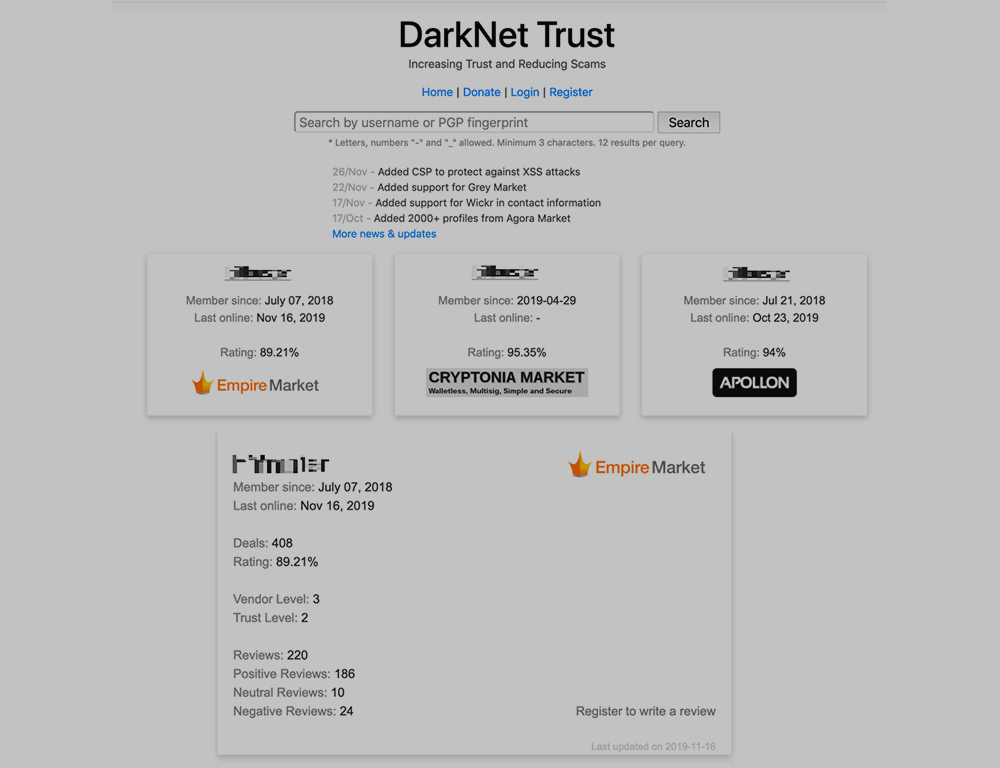
Another noteworthy player is Dream Market, which gained traction after the fall of Silk Road. Dream Market offered a more extensive array of products, including software vulnerabilities, fake documents, and various drugs. It set itself apart with a user-friendly interface and a strong community, attracting a large user base. The market operated on a system of vendor ratings, which helped to build confidence among buyers and sellers, further solidifying its position in the darkweb ecosystem.
Currently, Omega Market is gaining recognition as one of the leading darkweb marketplaces. It specializes in the trade of drugs and hacking services while maintaining a reputation for top-notch products and reliable service. darkmarkets employs sophisticated encryption techniques to protect user privacy and features a wide range of payment options, including cryptocurrencies, which are essential for maintaining anonymity in darkweb transactions. As law enforcement continues to target illicit online activities, these markets evolve and change, illustrating the ongoing demand for darkweb goods.
Risks and Responses
Participating with illicit markets presents considerable risks that individuals must navigate. One of the critical dangers is the potential for law enforcement issues. Law enforcement agencies monitor these platforms, and people caught buying or selling illegal goods can suffer rigorous legal consequences. Additionally, the privacy that darkweb markets provide can be deceptive, as users may still be monitored through their online activities, exposing them to multiple risks.
Another major risk involves security threats, including malware and scams. Many darkweb sites can be decoys designed to obtain personal data or install harmful software on users' devices. To combat these threats, individuals should adopt robust security measures, such as using secure networks, secure browsers, and reliable antivirus software. It is essential to confirm the validity of the sites being used to prevent falling victim to cyber attacks.
Finally, there is the risk of financial loss. Transactions on illicit markets are often conducted using cryptocurrencies, which can complicate recoveries in cases of scams. Individuals should apply extreme caution and explore using third-party payment services where possible to safeguard their payments. Diversifying the methods in which they can safeguard their resources, including holding varying levels of funds in separate accounts, can also serve as a preventive strategy against anticipated financial losses.